

From the editors: Thankful for California's forests
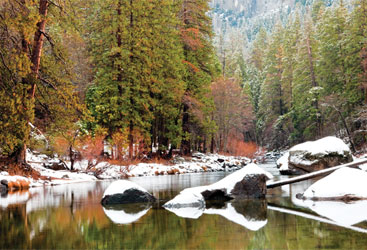
We'll admit it: We love forests, particularly this time of year. There's nothing like the sight of miles and miles of trees, especially if they are covered with a dusting—or several feet—of snow. From sledding, skiing and snowshoeing to bird watching, hiking and camping, there are no limits to the pleasures our forests provide. Almost 40 percent of California is made up of forestland.
Beyond fresh air, recreation and breathtaking sights, our forests provide California's economy with jobs, wages and tax income, not to mention the products we use and see every day. You may even have a product of a California forest decorating your living room this holiday season.
To make sure our forests are here for our children and our children's children to enjoy, we should be conscientious in our use of forests and support responsible forest management. Businesses that harvest trees from private and public land use the latest technology and environmental science to protect the ground and water within the forest, and replace harvested trees with new ones, monitoring their growth and protecting them against invasive pests and diseases. Removing biomass—made up of brush, limbs and leaves—from the forest can generate renewable energy, while decreasing the threat of devastating wildfires that can damage ecosystems for decades.
The next time you visit one of our state's forests, we encourage you to take a deep breath and enjoy being a Californian—where not only our farms and ranches are bountiful, but our forests are, too!
Firewood: Burn where you buy
A crackling fire can make a home cozier, but those firewood logs can also harbor dangerous pests. Insects burrowed into wood can inadvertently be transported long distances in logs, introducing invasive species into new areas. Pests and the diseases they carry can have a devastating impact on trees in your backyard, neighborhood and nearby parks and forests. The U.S. Department of Agriculture encourages homeowners to purchase firewood locally and to "burn it where you buy it." For more information, visit www.hungrypests.com.





.svg.png)
